





Are UPS power inverters compatible with solar panels?
- Understanding UPS Power Inverters: Key Considerations for Your Purchase
- 1. What is a UPS Power Inverter?
- 2. Are UPS Power Inverters Compatible with Solar Panels?
- 3. What Are the Key Differences Between UPS Systems and Off-Grid Inverters?
- 4. How Do I Choose Between a UPS and an Off-Grid Inverter?
- 5. What Are the Safety Features to Consider in a UPS Power Inverter?
- 6. How Do I Determine the Appropriate Capacity for My UPS Power Inverter?
- 7. What Are the Maintenance Requirements for a UPS Power Inverter?
- 8. How Do I Install a UPS Power Inverter?
- Conclusion: Why Choose Congsin for Your UPS Power Inverter Needs?
Understanding UPS Power Inverters: Key Considerations for Your Purchase
When considering the purchase of a UPS (Uninterruptible Power Supply) power inverter, it's crucial to address several key questions to ensure the system meets your specific needs. Below are some common inquiries and their corresponding answers:
1. What is a UPS Power Inverter?
A UPS power inverter is a device that converts direct current (DC) from batteries into alternating current (AC), providing immediate backup power during electrical outages. Unlike standard inverters, UPS systems offer near-instantaneous switching between power sources, ensuring uninterrupted operation for connected devices.
2. Are UPS Power Inverters Compatible with Solar Panels?
Integrating a UPS power inverter with solar panels is not straightforward. Standard UPS systems lack features like Maximum Power Point Tracking (MPPT), which is essential for optimizing solar panel output. Additionally, UPS units are designed for short-term backup and may not handle the continuous charging requirements of solar panels effectively. For seamless integration, consider hybrid inverters specifically designed for solar applications.
3. What Are the Key Differences Between UPS Systems and Off-Grid Inverters?
| Feature | UPS System
| Off-Grid Inverter |||||| Primary Purpose | Provides immediate backup power during outages and protects against voltage fluctuations. | Converts DC from batteries or solar panels into AC for powering devices in off-grid settings. || Switching Time | Almost instantaneous (a few milliseconds), ensuring uninterrupted operation. | Longer switching time, as it converts stored DC energy into AC. || Power Supply Consistency | Delivers seamless electricity flow without delay or disruption. | May experience slight delays during transition to battery mode. || Applications | Ideal for environments requiring constant electricity (e.g., hospitals, IT facilities). | Suits residential settings where occasional delays are acceptable. |
4. How Do I Choose Between a UPS and an Off-Grid Inverter?
Your choice depends on your specific power needs:
Choose a UPS if:
- You require instant power with no delay (e.g., for computers, modems, CCTV).
- You live in an area with frequent short-duration outages.
Choose an Off-Grid Inverter if:
- You want longer backup for fans, lights, and appliances.
- You're okay with a slight delay in power switch.
Assessing your power requirements and understanding the operational differences will guide you to the appropriate solution.
5. What Are the Safety Features to Consider in a UPS Power Inverter?
When selecting a UPS power inverter, ensure it includes the following safety features:
- Overload Protection: Automatically shuts off the system to prevent damage from excessive power draw.
- Short Circuit Protection: Safeguards against electrical faults that could harm the system or connected devices.
- Overtemperature Protection: Prevents overheating by shutting down the system if temperatures exceed safe limits.
- Surge Protection: Shields connected devices from voltage spikes that can cause damage.
6. How Do I Determine the Appropriate Capacity for My UPS Power Inverter?
To select a UPS power inverter with the right capacity:
- Calculate Total Wattage: Add up the wattage of all devices you intend to connect.
- Consider Surge Requirements: Account for devices with high startup surges, such as refrigerators or air conditioners.
- Factor in Battery Runtime: Determine how long you need the UPS to supply power during an outage.
Choosing a UPS with sufficient capacity ensures reliable performance during power interruptions.
7. What Are the Maintenance Requirements for a UPS Power Inverter?
Regular maintenance is essential to ensure the longevity and reliability of your UPS power inverter:
- Battery Maintenance: Periodically check battery health and replace them as needed to maintain optimal performance.
- Dust and Debris Removal: Keep the UPS unit clean and free from dust to prevent overheating and ensure efficient operation.
- Software Updates: If your UPS includes monitoring software, ensure it is updated to benefit from the latest features and security patches.
Adhering to these maintenance practices will help extend the lifespan of your UPS system.
8. How Do I Install a UPS Power Inverter?
Proper installation is crucial for the safe and efficient operation of your UPS power inverter:
- Select an Appropriate Location: Choose a dry, cool, and well-ventilated area to prevent overheating.
- Ensure Proper Ventilation: Avoid placing the UPS in enclosed spaces without adequate airflow.
- Connect Devices: Plug your devices into the UPS outlets, ensuring the total wattage does not exceed the UPS capacity.
- Test the System: Perform a test run to confirm the UPS operates correctly and provides the expected backup time.
Following these steps will help ensure your UPS system is set up for optimal performance.
Conclusion: Why Choose Congsin for Your UPS Power Inverter Needs?
Congsin offers a range of high-quality UPS power inverters designed to meet diverse power backup requirements. With a focus on reliability, efficiency, and advanced safety features, Congsin ensures that your devices remain protected during power interruptions. Their products are engineered for seamless integration, whether you're looking for a standalone UPS system or a solution compatible with solar power setups. Trust Congsin to provide the power solutions you need for uninterrupted operation.
References:


Distributor
Do I need to carry inventory?
We offer flexible inventory options based on your market needs, and we can assist with supply chain management.
Modified Sine Wave Inverters
What devices can this inverter power?
Rated for 600W, peak 1000W. Recommended to use devices under 80% of rated capacity.
Does it support inductive loads?
Modified sine wave inverters are suitable for resistive loads; for inductive loads, pure sine wave models are recommended.
Pure Sine Wave Inverters
Can it run inductive loads like fridges or tools?
Yes, pure sine wave output supports all load types.
OEM & ODM Services
Do you provide support for shipping and customs clearance?
Yes, we offer international logistics solutions including export documentation and customs advice.
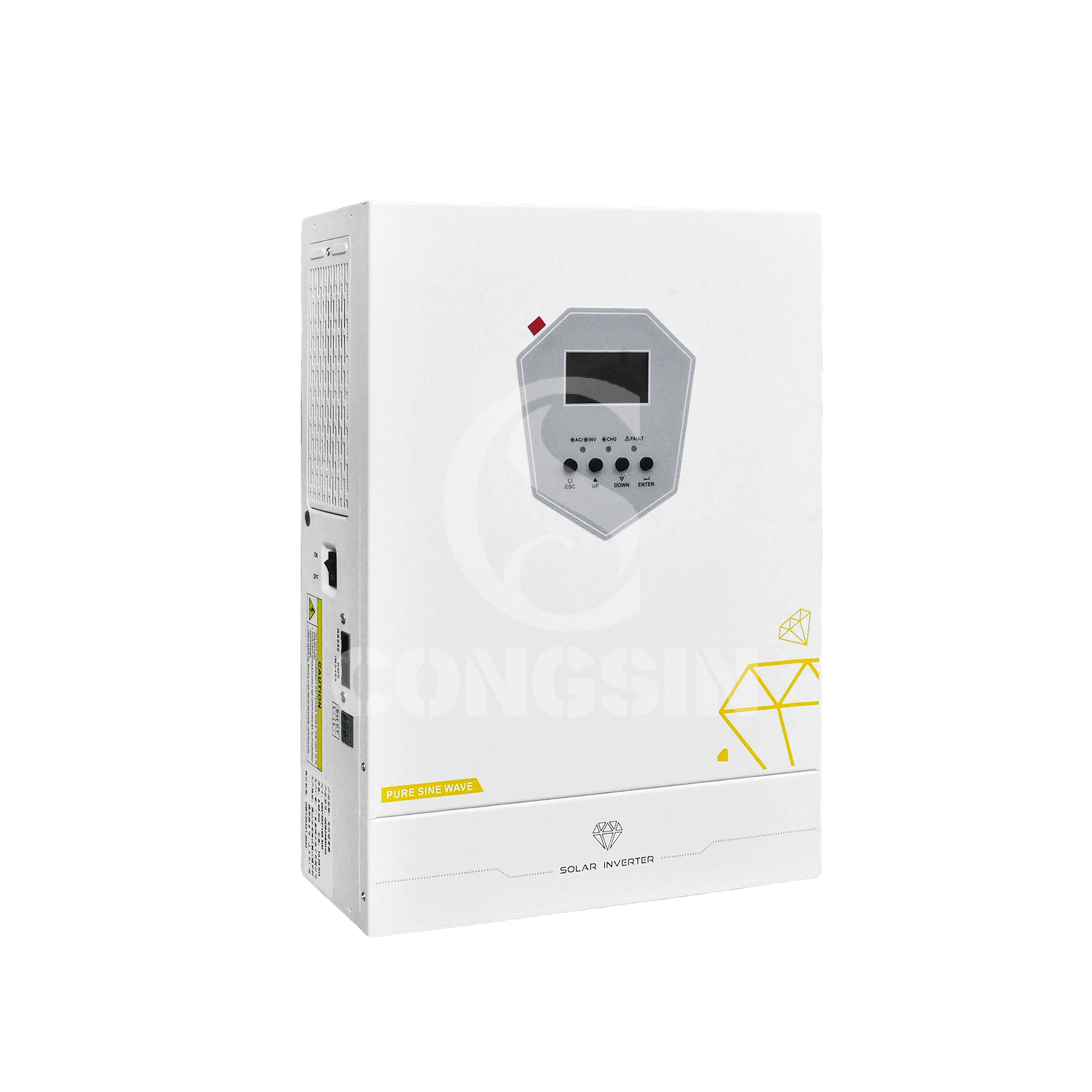
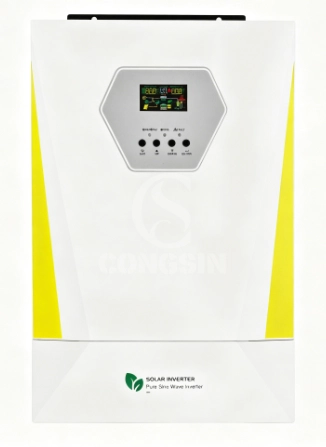
Power your solar system efficiently with the Congsin 4000W and 6000W Hybrid Inverter. Featuring an integrated MPPT Controller, this CE Certified inverter ensures optimal energy conversion. Monitor performance effortlessly via the intuitive LCD Display. Reliable, powerful, and ready for your sustainable energy needs.
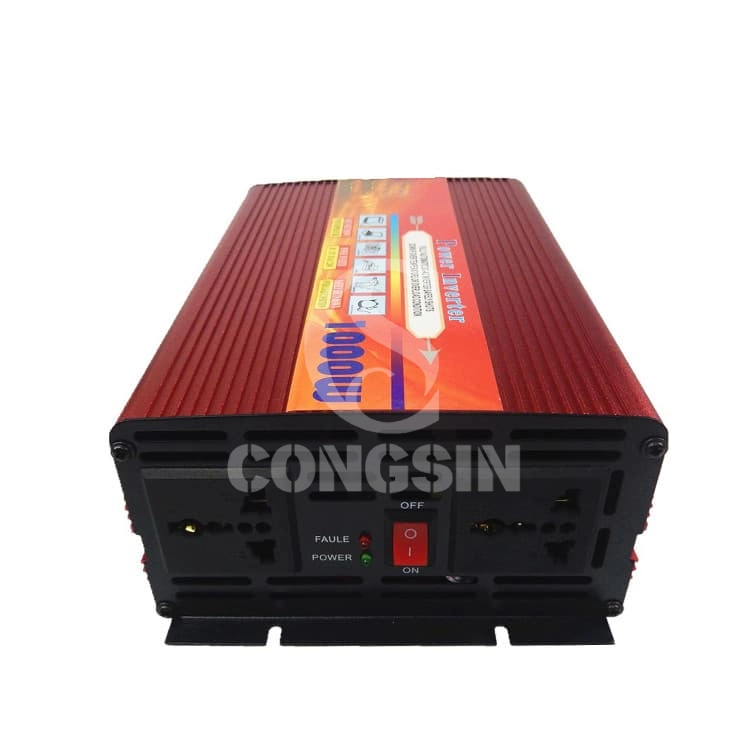
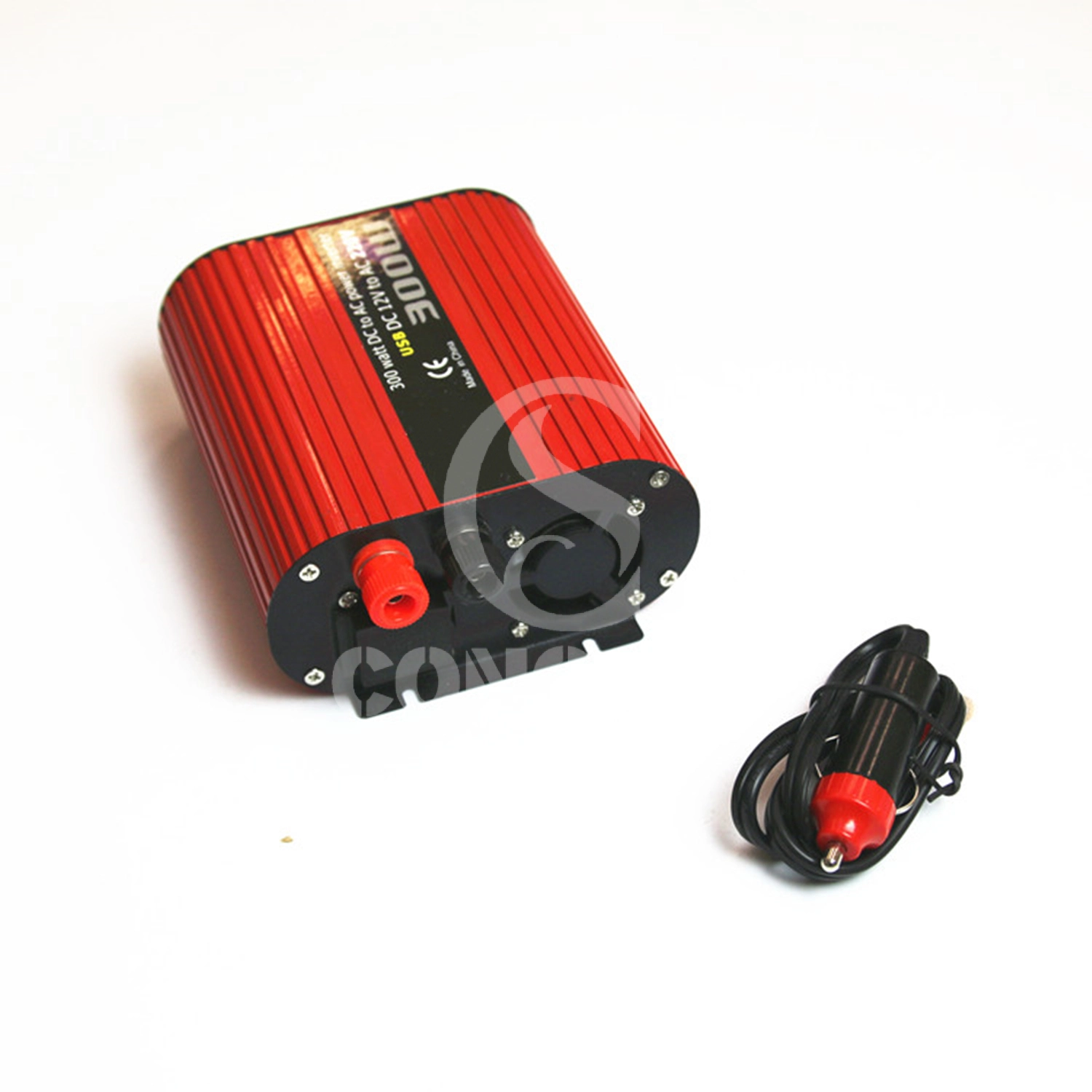
Congsin's Portable 150W Modified Sine Wave Inverter powers your journey! This versatile Car Power Inverter with USB acts as a reliable 12V to 220V converter, ensuring an essential off-grid power supply. With dual USB ports and a universal socket, enjoy convenient power on the go.
Get in Touch with Our Team
You can also communicate with us directly through our online contact form. Please fill in the following information, and our team will contact you as soon as possible after receiving your message.

CONGSIN is a trusted OEM factory for power inverters, solar charge controllers, and DC converters. Reliable solutions for global B2B buyers.
 High Quality
 7/24 Service
 Guaranteed Warranty
© 2025 Congsin. All Rights Reserved.
 WeChat
 Scan QR Code
sin cong
teaimei10
Whatsapp: +8618028086791
Scan QR Code